A new discussion on the Barna Group study examining U.S. Christians’ views on orphan care found that the next major challenge in global child welfare is not convincing Christians to care — but helping them understand how their compassion can be directed toward solutions that prioritize families.
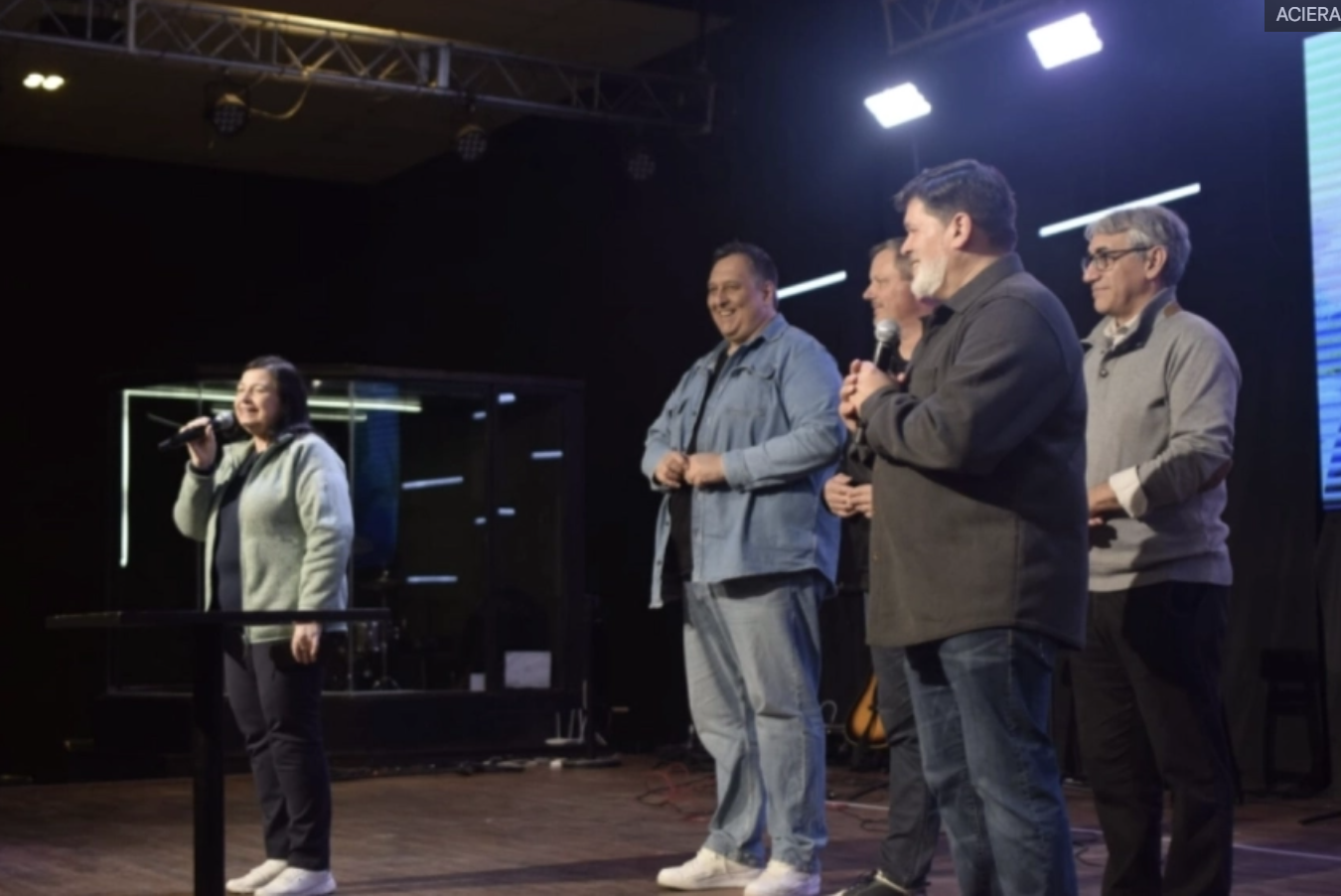
During a recent online meeting hosted by the Faith to Action Initiative, leaders from child welfare organizations reviewed findings from the Barna research and discussed how churches, ministries and donors can help accelerate the transition from residential care models toward family-based care.
The conversation highlighted a central finding from the study: while awareness of family-based care is increasing among American Christians, changes in giving patterns and behavior have been slower.
“The problem is not a lack of compassion,” one presenter said. “In so many cases, Christians are already giving, praying, sponsoring children, supporting ministries and engaging through their churches. But compassion by itself doesn’t always lead to supporting what we know are best practices.”
The challenge, speakers said, is not to criticize Christian generosity but to “redirect generosity” through messaging that helps people understand what children need to truly flourish.
Changing the conversation around orphan care
Representatives from the Faith to Action Initiative reflected on nearly five years of communications work connected to the Barna study, emphasizing the importance of changing how the media and the public understand vulnerable children.
A key part of that effort was engaging journalists who historically framed orphan care primarily through the lens of orphanages and residential institutions.
“The concept of family-based care was pretty sparse being talked about externally,” one communications leader explained. “Our challenge was taking that messaging and educating reporters about how children flourish — that children belong in families and that’s where they flourish best.”
The organization worked to introduce reporters to a broader understanding of child development, emphasizing that meeting physical needs such as food, shelter and education is essential but not sufficient.
“Children need relationships, attachment, belonging and caring adults who remain present beyond childhood,” another presenter said.
Over five years, the initiative reported more than 132 interviews and more than 56 placed opinion pieces, reaching outlets including Associated Press, The New York Times, The Guardian, Christianity Today and other faith-based and mainstream media platforms.
The strategy focused on pairing research with personal stories.
“We wanted to focus on the resilience of families who have been served by your organizations rather than focusing only on the negatives of orphanages,” the presenter said. “We wanted to pair those two to make a lasting message.”
The strongest messages focus on family and hope
The Barna survey tested 22 different messages about family-based care to understand what most effectively encouraged Christians to learn more.
Researchers found that the strongest messages shared three common themes.
First, they humanized children and families.
Rather than beginning with institutions or systems, effective messages invited people to imagine the needs of a child they personally love.
One message that resonated asked people to consider: “What if you or the child’s parents were not available to care for him or her? What kind of care would you desire?”
Second, successful messages emphasized that family is a lifelong need.
“Families for a lifetime. You never age out of a family like you can age out of an orphanage,” was one message that strongly connected with respondents.
Another message highlighted the experiences of adults who had grown up in residential care: “Adults who grew up in orphanages commonly say what they really wanted was family.”
Third, effective communication offered a hopeful alternative.
Speakers emphasized that the alternative to residential care is not abandonment, but strengthening families, supporting kinship care, foster care, adoption and helping organizations transition toward family-based models.
“Strengthening the capacity of families to provide and care for children prevents separation of children from their families and reduces placement in orphanages,” one tested message stated.
Donors are open to change
One of the most significant findings was that Christians already supporting residential care may be among the most receptive audiences for learning about family-based care.
“These are people who already care about vulnerable children,” a presenter explained. “They may already be connected through their churches or ministries. They need a clear path for understanding how their giving can support better outcomes.”
The research showed that donors responded positively to messages about strengthening families, the importance of lifelong relationships and the developmental impact of institutional care.
Speakers emphasized that these donors should not be approached with criticism.
“We need to affirm compassion,” one presenter said. “Many Christians have supported residential care because they truly want to help children.”
The goal, she said, is to help Christians move from asking, “How can I help vulnerable children?” to asking, “How can I support children and families?”
The church remains central to transformation
The meeting also highlighted the importance of churches in shaping future giving patterns.
Participants noted that churches remain one of the most influential places where Christians learn about missions, engage in service opportunities and decide where to give.
“YouTube was the number one way people wanted to learn more about family-based care,” one presenter said, “but the church remains especially important.”
Churches have unique opportunities through sermons, Bible studies, mission training and partnerships to help congregations understand child welfare and support family-centered solutions.
Pastor Jacob, a missions pastor at Life Mission Church near Kansas City, shared how his own congregation moved away from supporting orphanages after years of involvement.
Speaking from personal experience as someone who grew up in foster care and kinship care, he described how his church once supported eight orphanages and sent numerous short-term mission teams to residential facilities.
The turning point came after a staff member living near one of the orphanages uncovered serious abuse and neglect.
“From a pastoral side, it looked like a very successful mission trip or short-term outreach,” he said. “But as she stayed there over a year or two, we started to see some cracks in the facade.”
The experience pushed the church to investigate research and rethink its approach.
“We came to the conclusion that we’re at now where we think every child belongs in a loving family and no child should be in an institution,” Jacob said.
He encouraged churches to lead the conversation.
“The church is the greatest volunteer recruitment platform in the world,” he said. “Lots of the funds, lots of the volunteers, the majority of them come out of the local church, and we need to drive and steer and be at the forefront of this.”
Building a new pathway for Christian giving
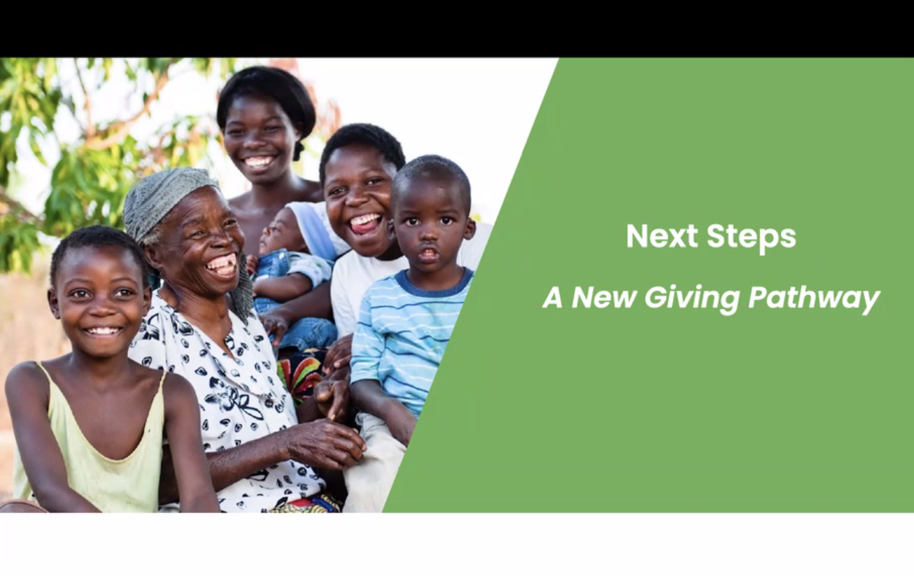
The meeting also introduced efforts to create a new collaborative funding pathway that would make it easier for Christian donors to support family-based care.
Faith to Action leaders said the goal is not for one organization to lead the movement, but for ministries to work together to create a collective impact approach.
Three working groups are currently exploring:
- a unified platform with shared messaging and branding;
- collaborative leadership structures; and
- mechanisms for distributing grants to support care transitions.
The proposed funding model would support residential care organizations committed to transitioning toward family-based approaches while partnering them with technical support organizations that can guide the process.
“We don’t want to overpromise and underdeliver,” one leader said. “We want people to be excited about the impact of what their money is doing.”
The initiative would help fund practical steps such as family reunification, strengthening vulnerable families and developing community-based care programs.
A long-term shift in global child care
Leaders emphasized that transforming child care systems will require patience, collaboration and a willingness to learn.
“There is no one perfect message that works for everybody,” one presenter said. “It depends on who you’re talking to and where they’re coming from.”
The Barna research, they said, provides a roadmap: affirm compassion, emphasize the importance of family, explain the challenges clearly, offer a hopeful path forward and give people a tangible next step.
As global child welfare advocates continue working toward family-based care, the message they hope Christians will embrace is simple: children do not only need care — they need belonging.